
Reliable Cell Growth with Stable CO₂, Temperature & Humidity
NuAire CO2 incubators deliver a precision-controlled, contamination-free environment for cell culture growth to ensure consistent research conditions. Specifically designed for easy cleaning, the electropolished stainless-steel chamber is paired with HEPA filtration to prevent external contamination. A multi-lingual touch panel allows for simple control and data monitoring. Stackable and customizable—with options like water jacket or direct heat, plus additional humidity or oxygen control—NuAire microbiological CO2 incubators are built for ease of use and maintenance to maximize lab efficiency. Explore models below or consult our incubator buyer’s guide for more details.
Key Features
- Infrared (IR) CO2 sensor standard
- Direct-heat or water-jacketed designs for stability needs
- Fast recovery of CO2, temperature, and humidity after door openings
- Multi-language touch panel with downloadable data logging
- Electropolished stainless-steel interior; smooth, easy-to-wipe surfaces
- Optional humidity and O2 control; stackable footprints; flexible shelves/ports/interfaces
Contamination control starts with the interior and workflow. Use smooth, cleanable surfaces, follow cleaning cycles, and perform manipulations in a Class II Biosafety Cabinet when needed.
14 results
-
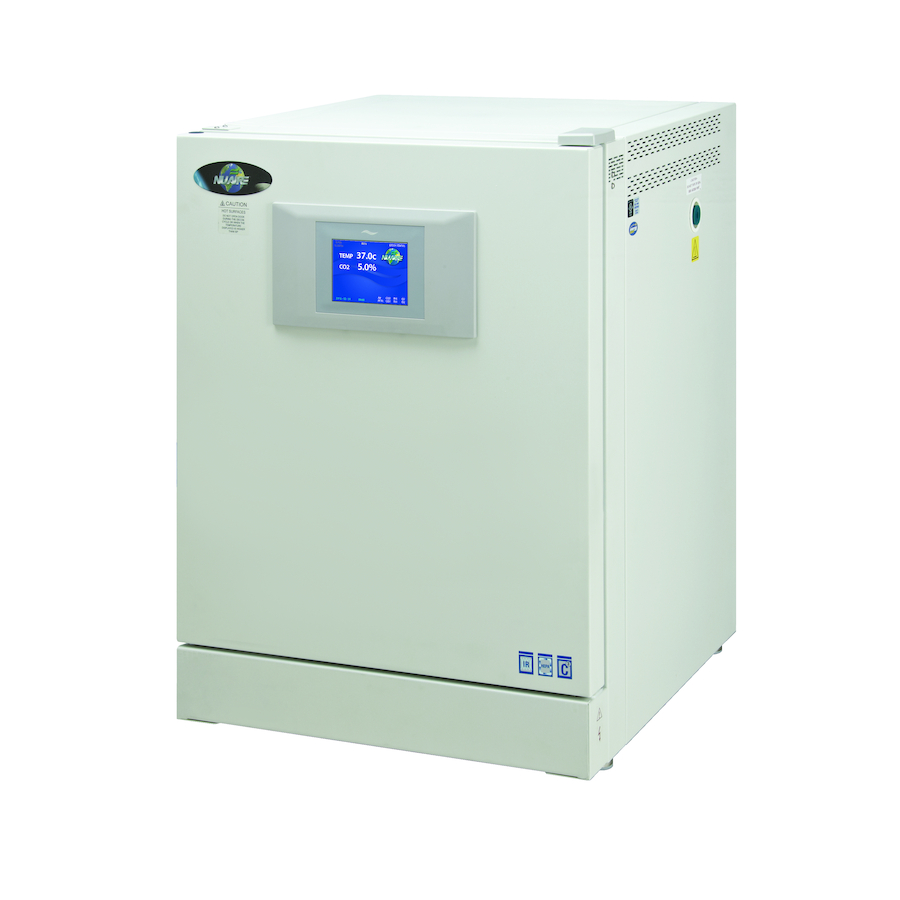
NU-5700
In-VitroCell ES NU-5700 Direct Heat CO2 Incubator
Precise CO2 control, stable temperature, and intuitive touch panel display.
-
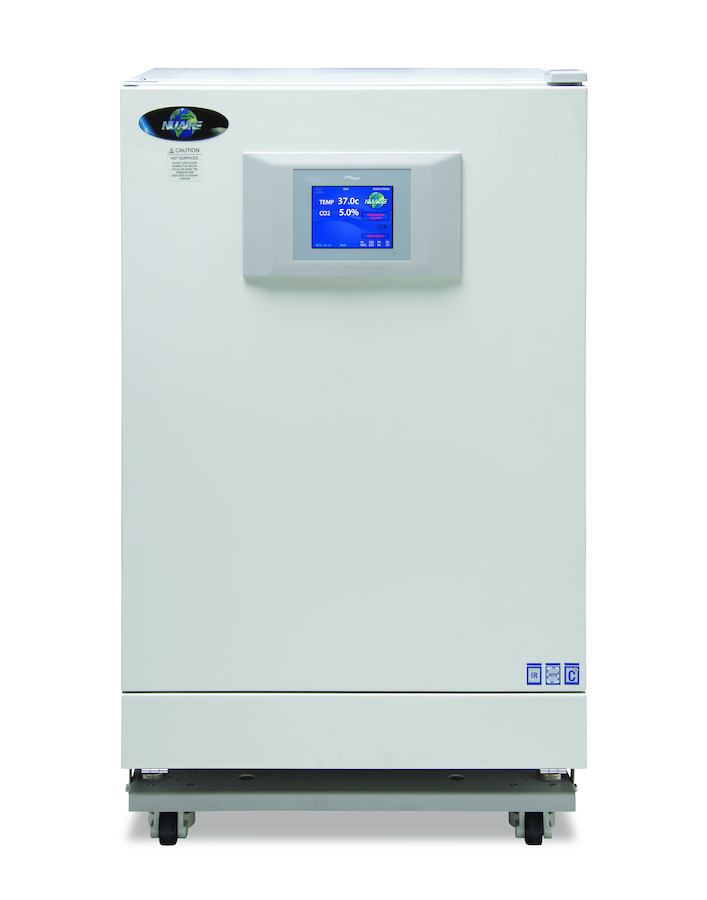
NU-5710
In-VitroCell NU-5710 Direct Heat CO2 Incubator
Dual decontamination, HEPA filtration, and unmatched precision in environmental control.
-
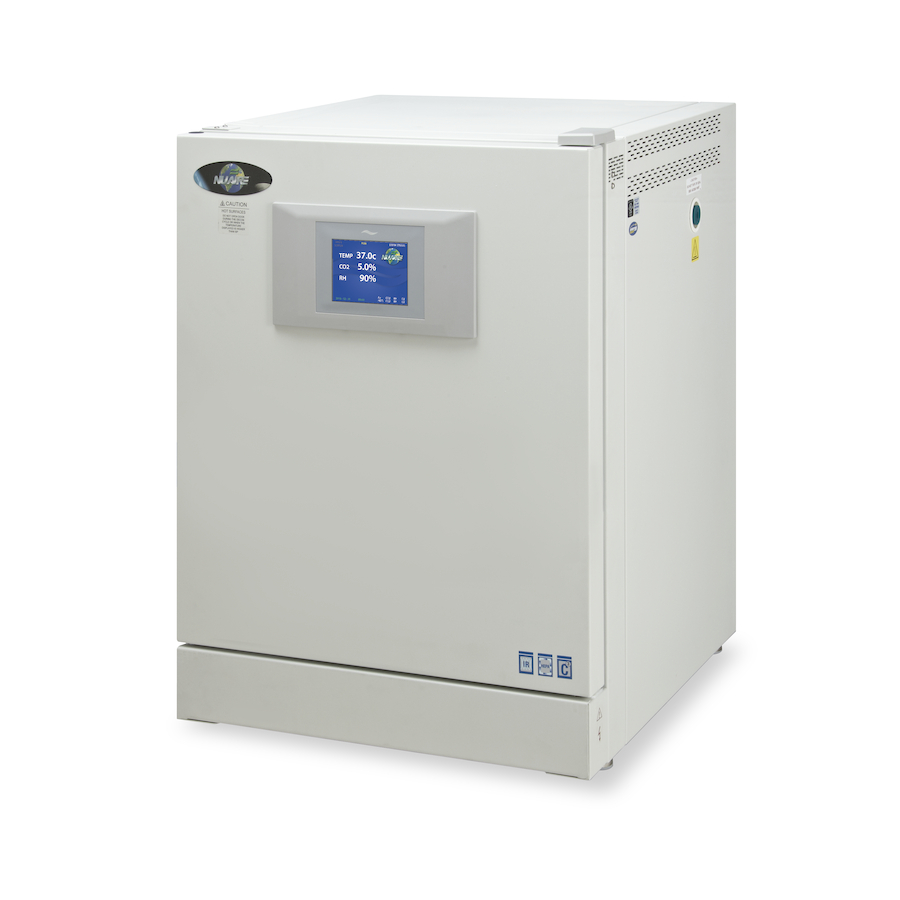
NU-5720
In-VitroCell NU-5720 Direct Heat CO2 Incubator
Direct humidity control, precise CO2, temperature balance, and contamination prevention.
-
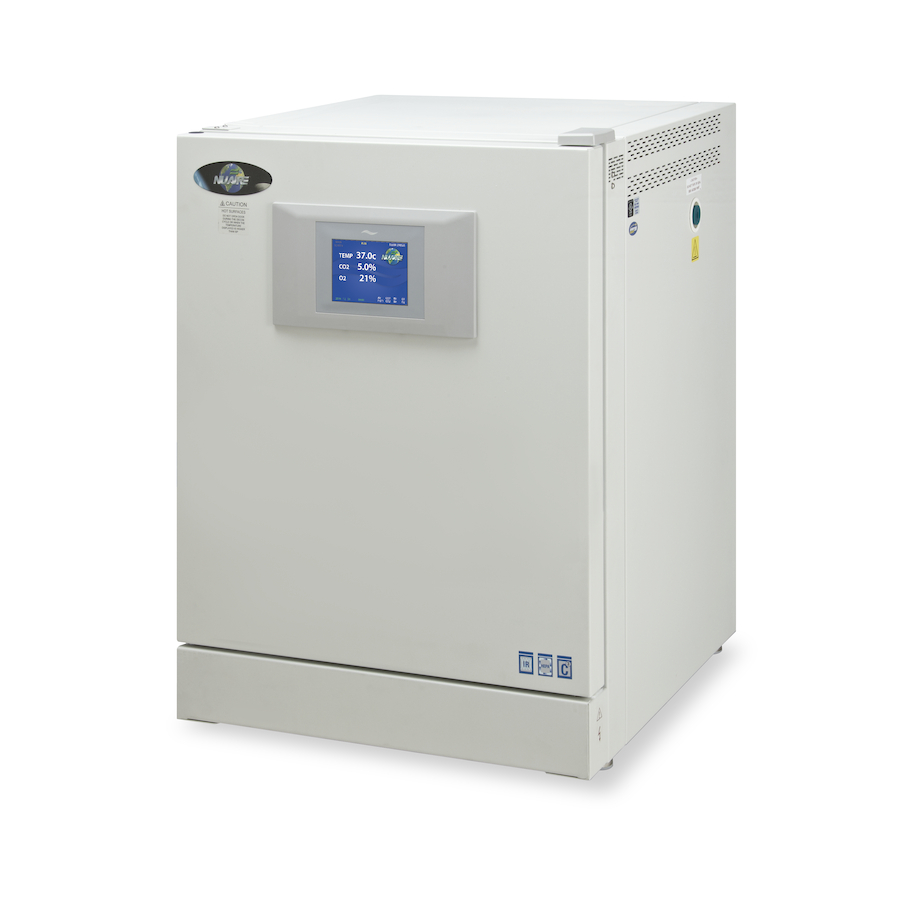
NU-5731
In-VitroCell NU-5731 Hypoxic Direct Heat CO2 Incubator
Precise O2 suppression, stable CO2, temperature control, superior decontamination.
-
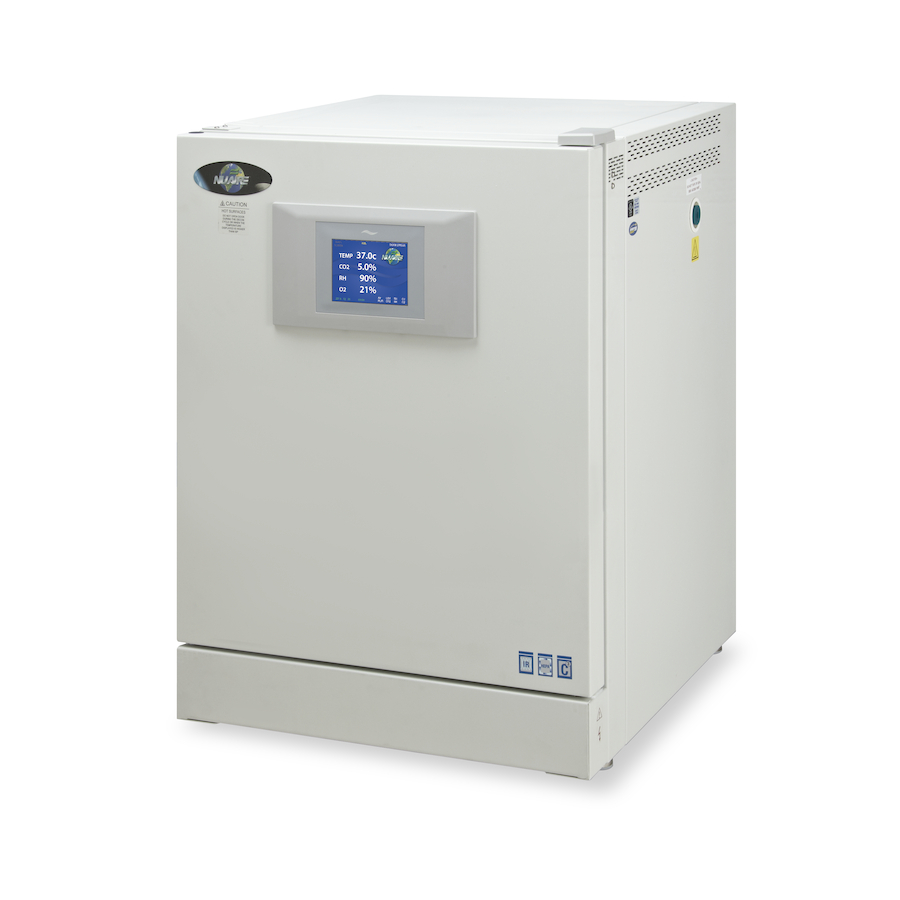
NU-5741
In-VitroCell NU-5741 Hypoxic Direct Heat CO2 Incubator
Comprehensive control for temperature, CO2, humidity, and hypoxic conditions.
-
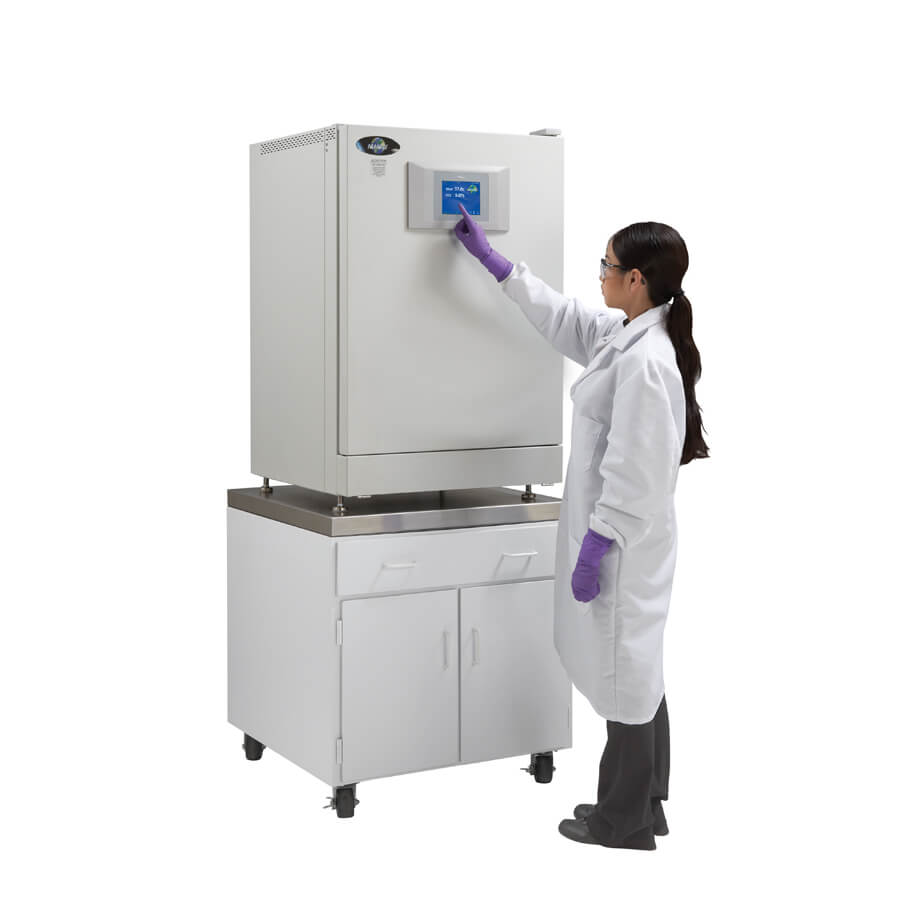
NU-5800
In-VitroCell NU-5800 Direct Heat CO2 Incubator
Precise CO2, temperature control, efficient air filtration, easy interface.
-
NU-5810
In-VitroCell NU-5810 Direct Heat CO2 Incubator
Dual decon cycles, precise CO2, temperature, and contamination control.
-
NU-5820
In-VitroCell NU-5820 Direct Heat CO2 Incubator
Direct humidity control, stable temperature, precise CO2, optimal growth conditions.
-
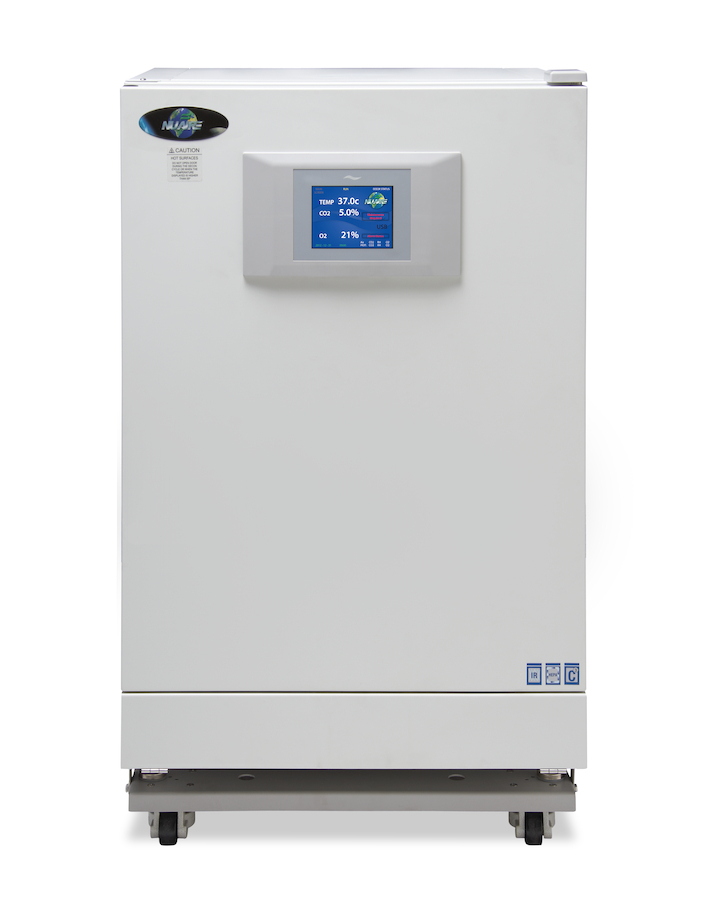
NU-5831
In-VitroCell NU-5831 Direct Heat Hypoxic CO2 Incubator
Precise O2 suppression, HEPA filtration, stable temperature and CO2.
-
NU-5841
In-VitroCell NU-5841 Direct Heat Hypoxic CO2 Incubator
All-in-one growth chamber control: temp, CO2, humidity, & hypoxia.
-
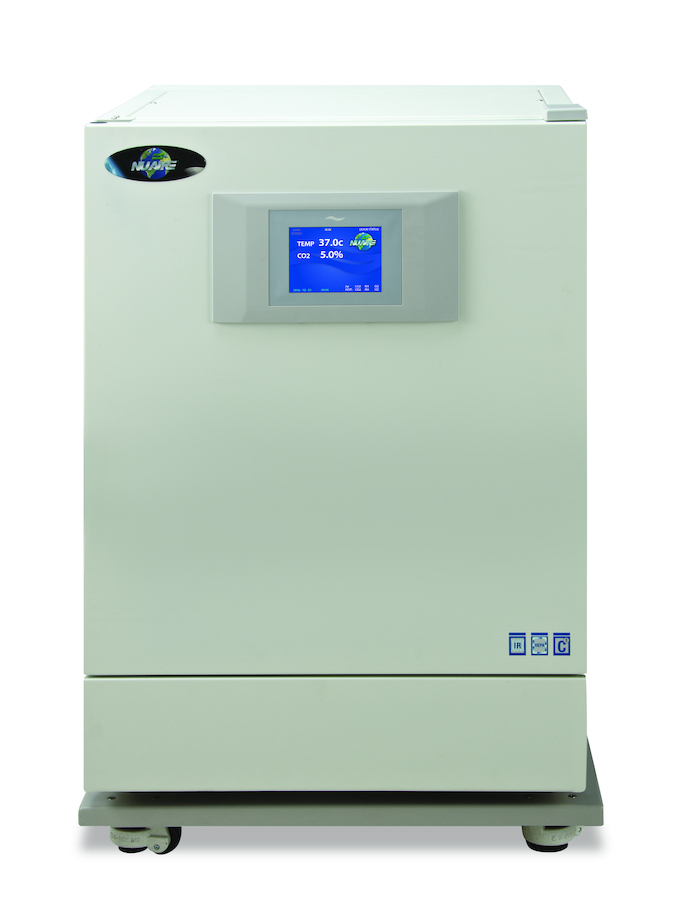
NU-8600
In-VitroCell NU-8600 Water Jacketed CO2 Incubator
Stability & safety for cultures with advanced temp & CO2 control.
-

NU-8625
In-VitroCell NU-8625 Water Jacket CO2 Incubator with Humidity Display
Stable cultures via water jacket warmth, precise sensors, and easy interface.
-
NU-8631
In-VitroCell NU-8631 Hypoxia Water Jacketed CO2 Incubator
Hypoxic conditions, uniform warmth, precise CO2, clean air, intuitive control.
-
NU-8645
In-VitroCell NU-8645 Water Jacketed CO2 Incubator
Stable, optimal, hypoxic conditions, accurate CO2, pure air, easy interface.



CO2 Incubator FAQ
What's the difference between active humidity control and passive humidity control, and when should I use each?
Humidity control plays an important role in many basic cell culture applications. Passive humidity control in a CO₂ incubator relies on a water pan at the base of the chamber to naturally evaporate water, maintaining stable but unregulated humidity levels. Active humidity control uses advanced sensors and systems to regulate precise humidity at the desired level. Active systems recover to 90% ± 5% RH within 25 minutes of a door opening. These systems are ideal for critical applications such as stem cell research or tissue engineering.
How do I clean my CO₂ incubator properly?
Proper cleaning involves: turn off and disconnect power; remove shelves, water pans, and components; clean with 70% isopropanol or ethanol; wipe interior with approved disinfectant; refill and clean water pan weekly. Run the high-temperature decontamination cycle (145°C) every 3–6 months or when contamination is suspected.
How often should I change the filters in my CO₂ incubator?
HEPA filters should be replaced every 12 months under normal use. For CO₂ gas supply lines, disk filters should be replaced every fifth tank or when discoloration is visible.
How can I prevent contamination in my CO₂ incubator?
Clean chamber and components weekly with non-corrosive disinfectants; use in-chamber HEPA filtration; avoid frequent door openings; use distilled or deionized water in the water pan; add copper sulfate (0.5 ppm) to inhibit microbial growth; consider copper alloy shelves; run high-temperature decontamination cycles regularly.
What type of water should I use in the water pan?
Use single distilled or deionized water with a maximum purity of 1 megaohm. Replace water weekly and clean the water pan. For additional contamination prevention, you can add copper sulfate (0.5 ppm).
What's the difference between direct heat and water jacket CO₂ incubators, and which is better for my application?
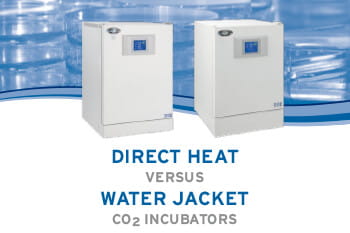
Direct Heat: Utilize heating elements; recover faster after door openings; lightweight; ideal for high-frequency access workflows. Water Jacket: Use a water-filled jacket for even heat distribution; greater thermal stability; retain heat longer during power outages; ideal for long-term experiments or sensitive applications.
How does a decontamination cycle work?
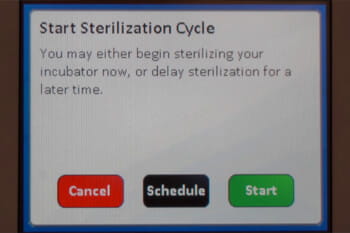
A decontamination cycle involves heating the chamber to 145°C for 8–14 hours. This process decontaminates all internal surfaces and components by significantly reducing bacteria, fungi, and spores. The cycle is fully automated, and shelves can remain inside throughout.
How do I calibrate the CO₂ and temperature sensors?
CO₂: Use a gas analyzer; adjust offsets on the control panel to match analyzer readings. Temperature: Verify with a certified thermometer and adjust settings if necessary. Calibration should be performed by a trained professional every 6–12 months or after major maintenance.
What should I do if my CO₂ incubator isn't maintaining correct temperature or CO₂ levels?
Troubleshooting steps: ensure the door isn't being opened excessively; verify CO₂ gas supply is connected and functioning; inspect and replace filters if airflow appears restricted; calibrate sensors to correct inaccuracies. For persistent issues, contact NuAire technical support.
How does a CO₂ incubator work?
A CO₂ incubator creates an optimal environment by precisely controlling temperature, humidity, and CO₂ levels. Temperature is regulated using direct heat or a water jacket; a CO₂ gas supply maintains pH balance; humidity is maintained via a water pan or active system; HEPA filters ensure clean airflow.
How do I choose the right CO₂ incubator for my lab?
Capacity: Match chamber size to your workload. Contamination Control: Choose models with HEPA filtration, decontamination cycles, and cleanable surfaces. Special Features: Opt for active humidity control or hypoxia capabilities for advanced applications. Refer to the NuAire Buyers Guide for a comprehensive guide.
REQUEST Your QUOTE
PLEASE FILL OUT THE FORM AND WE'LL GET TO WORK ON GETTING YOU WHAT YOU NEED.
How it works. NuAire sells through a network of knowledge representatives, some who have been selling and servicing NuAire since our inception in 1971. We'll notify your local representative who will reach out to you. He/She can assist with product selection/configuration, training, installation guidance, support throughout the life of the product, or just provide you pricing in a quick manner. We have some of the best customers who are doing some groundbreaking work. We would love for you to join our family and experience the NuAire Advantage.
Why Your Colleagues Choose NuAire
Let me say that we have come to rely on Nuaire, as a strong partner to Vaccines & it is so because of our valued relationship with George Riley, who is always at our beck and call. God bless him (Keep him for Sure!!) & your Quality BioSafety Cabinets. Service is King & Quality is his side-kick!! So thank you! We look forward to a long and prosperous relationship. Keep up the good work & quality build.
